

.png)
Is Your Crypto Payment Processor Future-Proof? Here's Why Metaverse Shopping and VR/AR Commerce Demand Self-Custody Solutions
- [[[Free!!]<<<<]] Watch: 스포르팅 - 토트넘 Live Stream 13 September 2022
- 2 hours ago
- 5 min read
![Writer: [[[Free!!]<<<<]] Watch: 스포르팅 - 토트넘 Live Stream 13 September 2022](https://lh3.googleusercontent.com/a/AItbvmktwQc0wCdd3ZEETSYItRQubwwBzOyjD_dcigRf=s96-c)
Your Current Processor Wasn't Built for Tomorrow
Most crypto payment processors are stuck in 2020.
They're optimized for checkout buttons on flat websites. Click, pay, done.
But commerce is evolving fast. VR headsets aren't novelties anymore. AR shopping experiences are launching monthly. The metaverse isn't a meme, it's a $5 trillion opportunity by 2030.
And your payment stack? It's not ready.
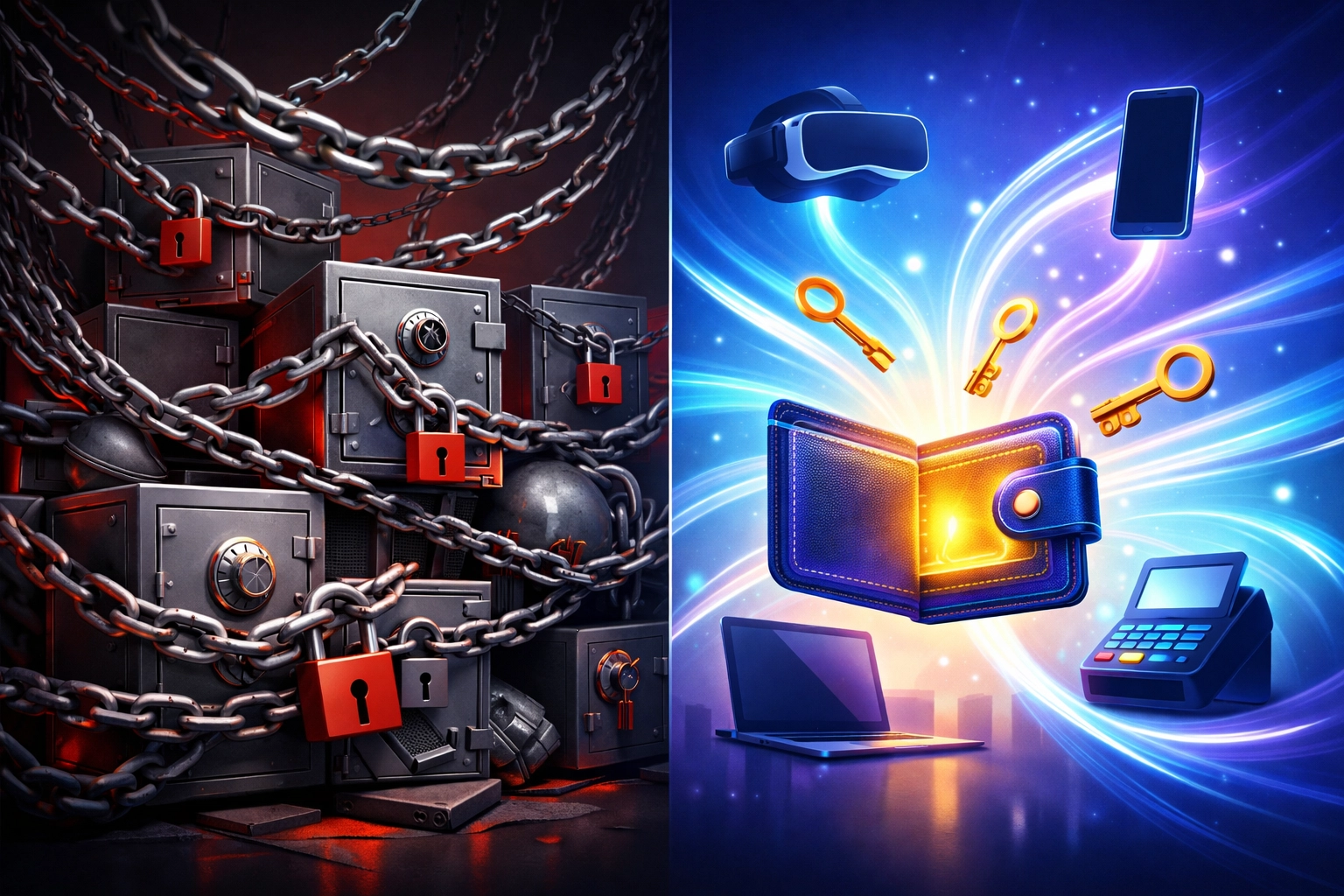
Traditional processors like NOWPayments, CoinPayments, and Triple-A handle transactions fine for today's 2D web. But when customers start shopping in spatial environments, trying on virtual sneakers, walking through digital storefronts, buying NFT-backed products with persistent ownership records, custodial solutions become the bottleneck.
Here's why self-custody isn't just a feature. It's the foundation for next-generation commerce.
The VR/AR Commerce Problem Nobody's Talking About
Shopping in virtual reality changes payment requirements fundamentally.
In a metaverse environment, transactions happen continuously. You're not just buying a single product. You're purchasing access tokens, virtual real estate, NFT wearables, cross-platform assets, and physical goods, all in the same session.
Traditional custodial processors can't handle this fluidity.
They batch transactions. They require off-platform confirmations. They create friction every time you want to move value between virtual spaces.
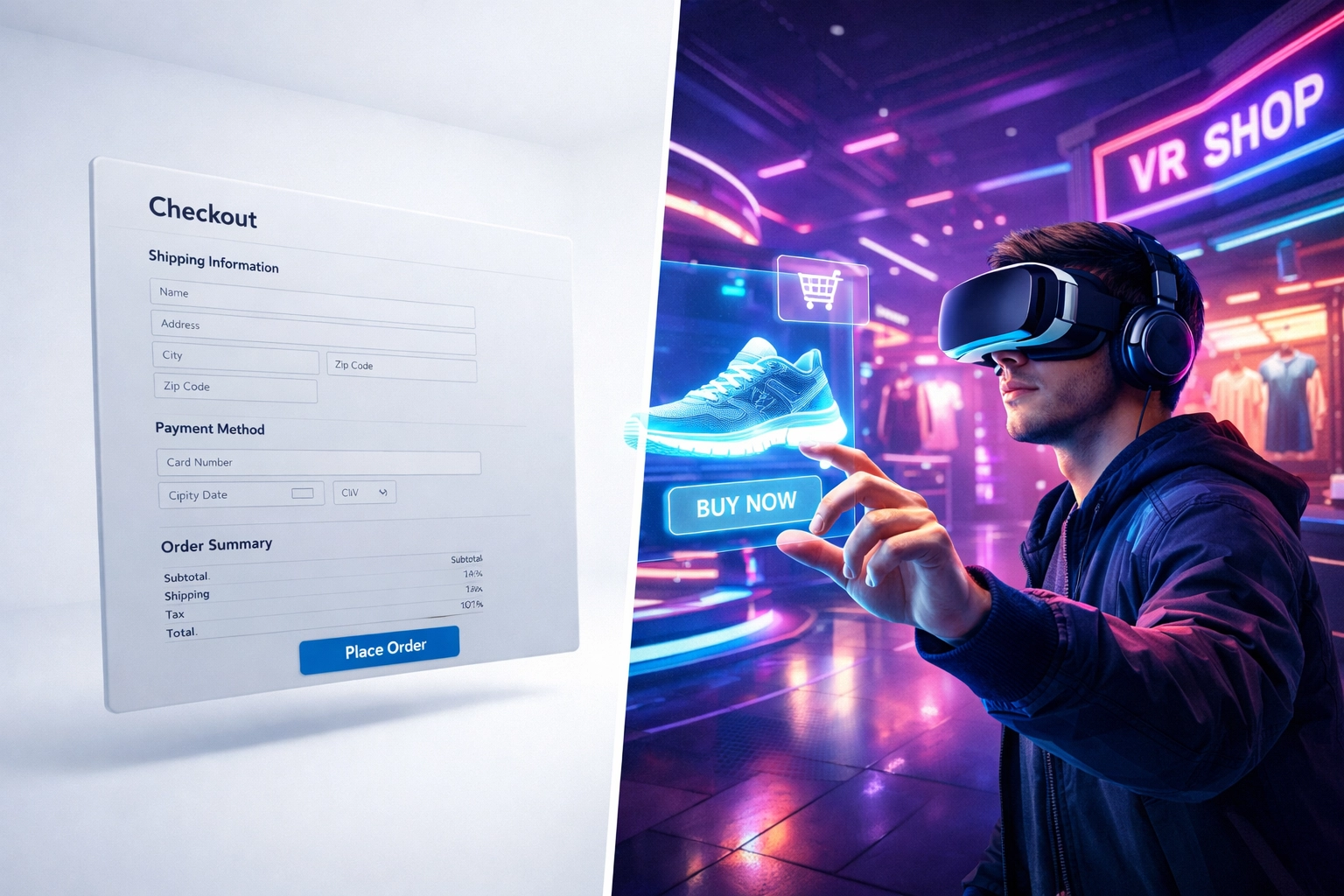
The real issue? Ownership verification.
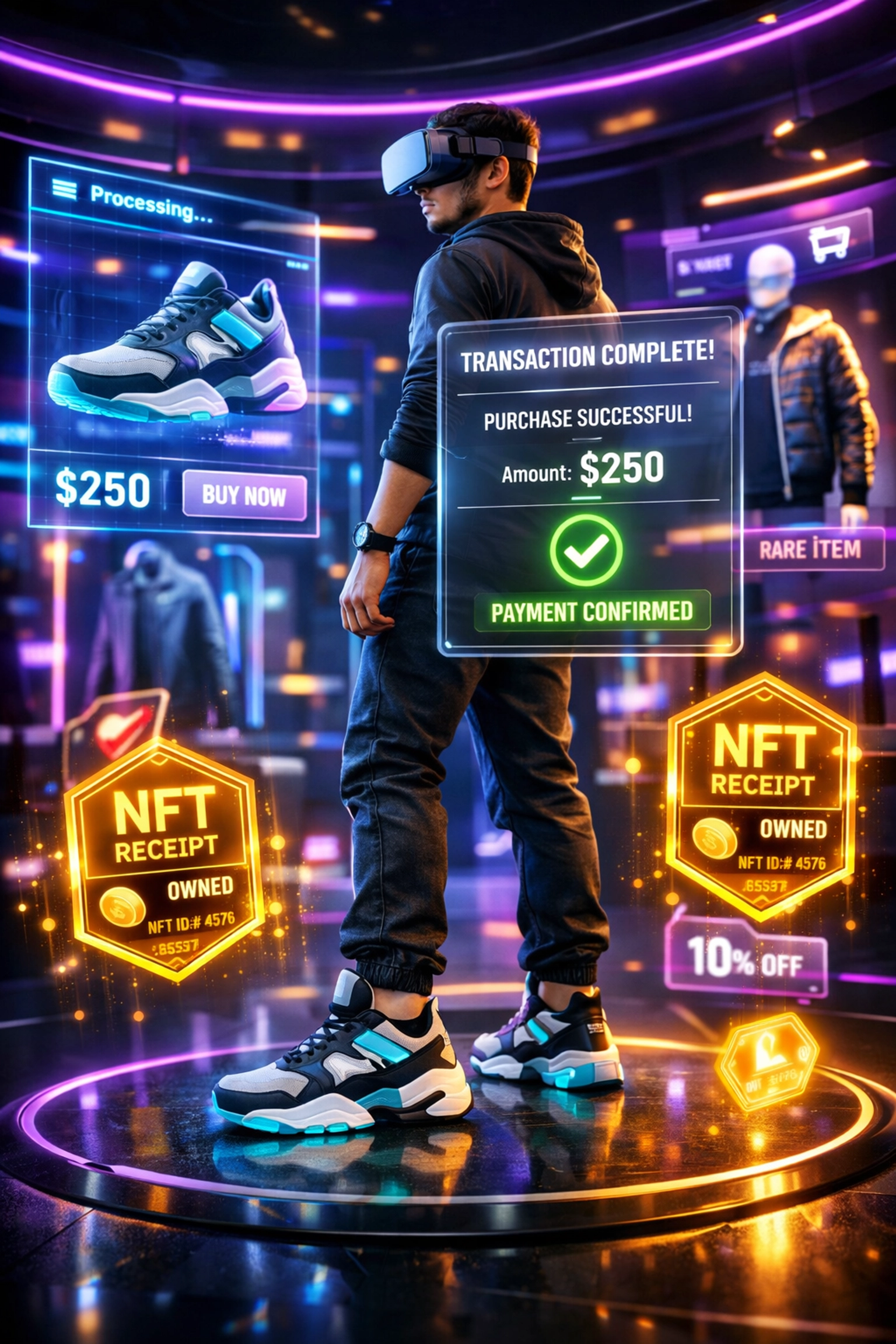
In VR/AR commerce, you need instant proof of purchase. Not an email receipt. Not a confirmation page. An on-chain, cryptographically verifiable record that exists across platforms.
This is where NFT receipts become essential. And why self-custody wallets aren't optional, they're the only architecture that works.
Why Self-Custody Wins in Metaverse Shopping
Self-custody means you control your keys. Your assets. Your transaction history.
For metaverse commerce, this translates to three critical advantages:
1. Instant Cross-Platform Portability Buy a virtual jacket in one metaverse? Wear it in another. Self-custody wallets let you carry assets between platforms without permission or platform-specific bridges.
2. Persistent Ownership Records Every purchase generates an NFT receipt. Stored on-chain. Accessible across any application that reads your wallet. No centralized database required.
3. Zero Platform Lock-In Custodial solutions tie your funds to their ecosystem. Self-custody means your payment infrastructure travels with you, across VR environments, AR overlays, traditional web, and physical POS systems.
Larecoin's architecture is built specifically for this model. Master wallets for businesses. Sub-wallets for departments or franchises. Gas-only transfers that eliminate token conversion friction.
Every transaction creates an immutable receipt. Every payment is instantly verifiable. Every asset is truly yours.
Technical Advantages That Actually Matter
Let's get specific. What makes a payment processor future-proof for VR/AR commerce?
NFT Receipts
Traditional processors send confirmation emails. Larecoin issues NFT receipts that live on-chain. Each receipt contains transaction metadata, merchant information, and product details.
Why this matters: In a metaverse store, you can display your purchase history as collectible proof. Resell items with verified provenance. Prove ownership across platforms instantly.
LUSD Stablecoin Integration
Volatility kills metaverse commerce. Customers won't shop in environments where prices fluctuate mid-session.
Larecoin's LUSD stablecoin version provides price stability without exiting crypto rails. Merchants receive stable value. Customers pay predictable amounts. No fiat conversion required.
Gas-Only Transfers
Standard crypto payments require holding multiple tokens, one for the asset, another for gas fees. Frustrating for users. Confusing for merchants.
Larecoin enables gas-only transfers. You pay transaction fees with the same token you're spending. One balance. Zero complexity.
Master/Sub-Wallet Architecture
Businesses operating in the metaverse need hierarchical wallet structures. Main treasury. Department budgets. Individual employee spending accounts.
Larecoin's master/sub-wallet system handles this natively. Full visibility. Granular controls. Perfect for B2B2C environments where brands operate virtual storefronts inside larger metaverse platforms.
How Larecoin Stacks Against Competitors
Let's compare. NOWPayments, CoinPayments, and Triple-A are established players. But they weren't designed for spatial commerce.
NOWPayments: Strong API integration. Custodial model. No NFT receipts. Limited stablecoin options. Built for traditional e-commerce checkouts.
CoinPayments: Multi-currency support. Centralized custody. No metaverse-specific features. Higher fees than necessary for merchant processing.
Triple-A: Fiat settlement focus. Compliance-heavy. Good for traditional retail. Zero VR/AR optimization.
Larecoin: Self-custody native. NFT receipts standard. LUSD stablecoin built-in. Gas-only transfers. Master/sub-wallet support. Federal MSB registration and state-level MTL coverage across the U.S.
The difference? Larecoin was built from day one for decentralized, multi-environment commerce. Not retrofitted from legacy payment rails.
Merchant Benefits: Fee Savings + Future Flexibility
Merchants care about two things. Cost. Capability.
Larecoin delivers both.
Fee Reduction > 50%
Traditional payment processors charge 2-3% per transaction. Crypto processors aren't much better. NOWPayments: 0.4-0.5%. CoinPayments: 0.5%.
Larecoin's Layer 1 architecture reduces merchant fees by more than 50%. No middleman. No settlement layers. Direct peer-to-peer transactions with minimal overhead.
For businesses processing $1M annually? That's $25,000+ saved compared to traditional crypto processors.
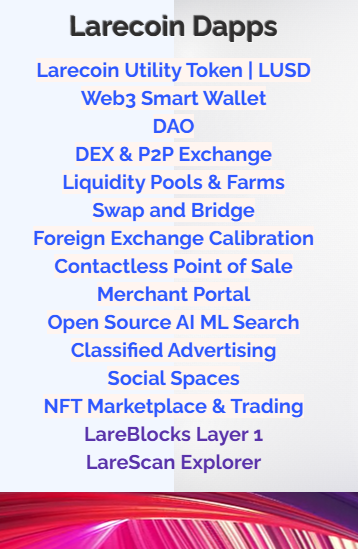
QR-Generated POS Systems
Physical retail isn't dead. It's merging with digital.
Larecoin's QR-based POS works identically across brick-and-mortar stores, mobile devices, and VR/AR environments. Same wallet. Same interface. Same instant settlement.
Set up a pop-up shop in Decentraland? Use the same payment terminal as your physical location. Zero integration friction.
Master/Sub-Wallet Management
Enterprise merchants need spending controls. Department budgets. Franchise management. Multi-location oversight.
Larecoin's wallet hierarchy provides full transparency without compromising security. Each sub-wallet operates independently. The master wallet maintains oversight and consolidation.
Perfect for brands launching both physical and metaverse retail experiences simultaneously.
Compliance Without Compromise
Self-custody doesn't mean unregulated.
Larecoin maintains federal MSB (Money Services Business) registration. State-level MTL (Money Transmitter License) coverage across the U.S. Full KYC/AML compliance where required.
The difference? Compliance at the protocol level. Not at the custody level.
You own your keys. Larecoin provides the regulatory framework. Best of both worlds.
This matters for businesses operating in regulated industries or planning metaverse commerce at scale. You get decentralization benefits without sacrificing institutional trust.
The Vision: Social Shopping in the Larecoin B2B2C Metaverse
Here's where it gets interesting.
Larecoin isn't just a payment processor. It's building a complete B2B2C metaverse where commerce, community, and experience converge.
Imagine:
Virtual storefronts where merchants customize entire 3D spaces
Social shopping with friends in shared VR environments
NFT-backed product ownership that travels across platforms
AR overlays that let you "try before you buy" in your actual space
Instant crypto payments without ever leaving the experience
Traditional processors can't support this. They're bolted onto existing platforms. Larecoin's payment infrastructure is native to the environment itself.
Every transaction creates value. Every purchase generates collectible receipts. Every interaction strengthens the network.
Future-Proof Means Building for Worlds That Don't Exist Yet
Most businesses wait until new platforms become mainstream. Then they scramble to integrate.
Smart merchants prepare infrastructure before the shift happens.
VR/AR commerce is accelerating. Apple Vision Pro is just the beginning. Meta's Horizon Worlds is expanding. Spatial computing is becoming standard.
The payment processors winning this transition? The ones built on self-custody architecture. The ones offering NFT receipts. The ones that work identically across physical, digital, and virtual environments.
Larecoin's 10-year marathon is designed for exactly this evolution. Not just solving today's problems. Anticipating tomorrow's requirements.
Ready to Future-Proof Your Payment Stack?
Ask yourself three questions:
Can your current processor handle NFT receipts natively?
Does your payment infrastructure work identically in VR, AR, web, and physical environments?
Do you own your transaction history, or does your processor?
If you answered "no" to any of these, you're not ready for next-generation commerce.
Larecoin is. Self-custody. NFT receipts. LUSD stability. Gas-only transfers. Full MTL compliance. Fee savings exceeding 50%.
The metaverse isn't coming. It's here.
Your payment infrastructure should already be inside.
Comments